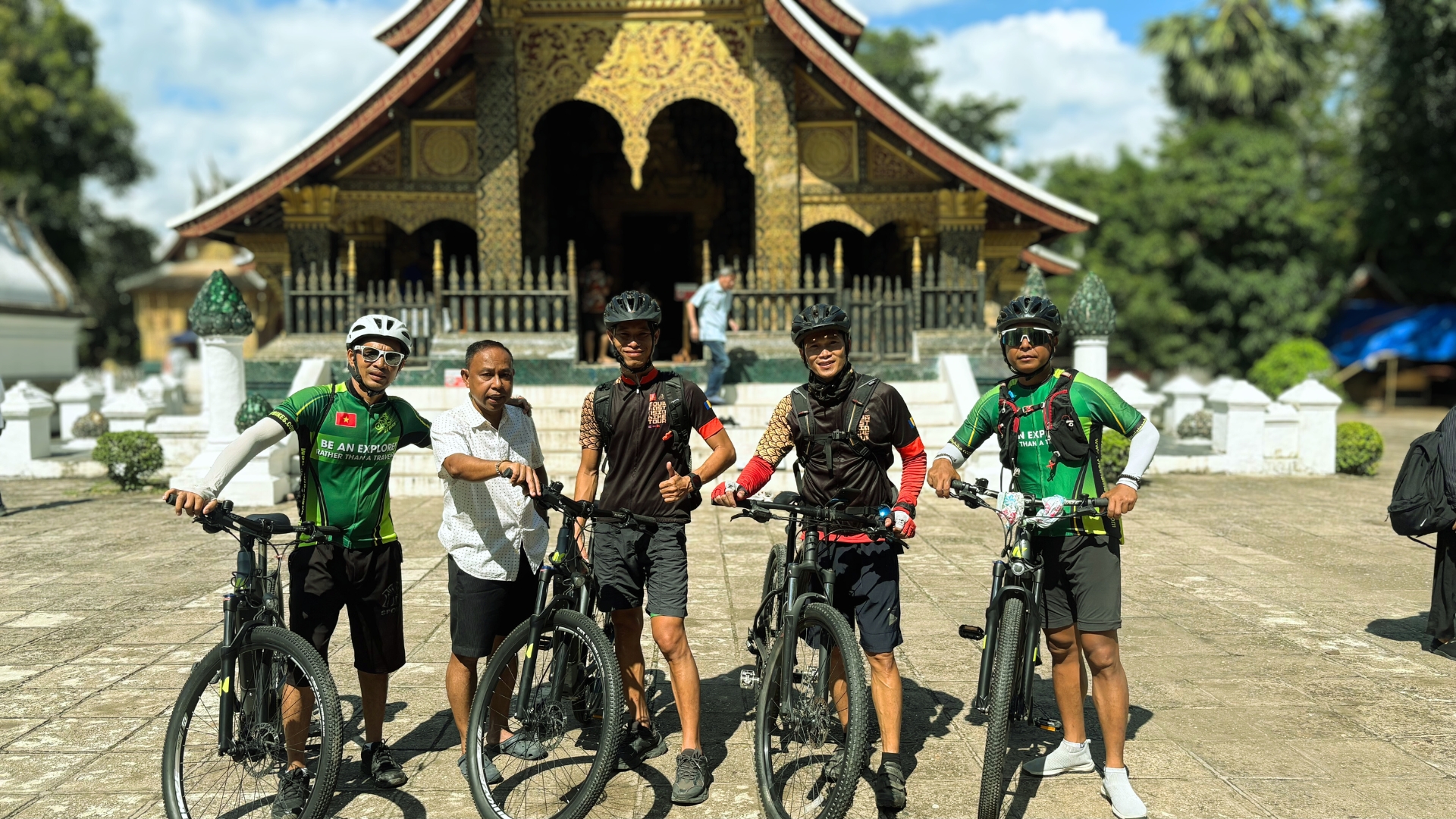

When dreaming of an unforgettable cycling adventure through Laos, a common concern for many travelers is how to secure a reputable company that can deliver an experience perfectly tailored to their desires. The prospect of navigating an unfamiliar market and entrusting your hard-earned money to an unseen entity can be daunting. However, by following a strategic approach and employing diligent research, you can confidently book your ideal Laos cycling tour package and embark on the adventure you envision. This comprehensive guide will walk you through the essential steps to ensure you get your Laos cycling trip just right.How to Successfully Book Your Laos Cycling Tour Package. The journey to an amazing Laos cycling holiday begins long before you touch down in Southeast Asia. It starts with careful planning and a clear understanding of what you want from your adventure.

1. Define Your Laos Cycling Trip Goals: Crafting Your Ultimate Wish List
The first and arguably most crucial step in planning your Laos cycling tour is to define your personal “wish list.” Before you even begin to browse potential tour packages, you need to understand what you truly desire from this unique travel experience. Laos, while appearing relatively small on a map, is an unexpectedly diverse and expansive country when it comes to cycling terrain and cultural experiences. Your objectives will significantly influence which Laos cycling tour packages might best meet your needs.
- Considerations for Your Wish List:
Duration of Your Trip: How much time do you have available for your Laos cycling adventure? Laos can be explored in short bursts, focusing on a single region, or extensively, covering vast distances over several weeks. Your available time will dictate the scope of your tour. A week might allow for a focused exploration of Northern Laos, while three weeks could see you cycling from the mountains to the Mekong Delta.
- Geographic Focus: Laos offers distinct regions, each with its own charm and cycling characteristics.
Northern Laos: Known for its rugged mountains, lush jungles, and cooler temperatures, especially during the dry season. Routes here can be challenging with significant climbs but reward cyclists with breathtaking vistas, encounters with diverse ethnic minorities, and visits to ancient temples like those in Luang Prabang. If you envision challenging mountain biking and authentic cultural immersion, the north might be your focus.
Central Laos: Home to the capital Vientiane, this region offers a mix of flatter plains and rolling hills. Cycling here can be more relaxed, with opportunities to explore historical sites, vibrant markets, and the tranquil flow of the Mekong River. The karst landscapes around Vang Vieng also offer unique cycling and adventure opportunities.
Southern Laos: Characterized by its flatter terrain, rice paddies, and access to the Bolaven Plateau, known for its coffee plantations and waterfalls. The “4,000 Islands” (Si Phan Don) region in the far south offers incredibly relaxed cycling on small islands, providing a unique and tranquil experience. If you prefer gentler rides and exploring agrarian landscapes, the south could be ideal.

- Time of Year for Travel: Laos experiences a monsoon climate, with distinct wet and dry seasons.
Dry Season (October to April): Generally considered the best time for cycling due to cooler temperatures (especially in the north) and less rainfall. Roads are typically in better condition. However, it’s also peak tourist season, so popular routes and accommodations can be busier.
Wet Season (May to September): Characterized by higher humidity and more frequent rainfall. While rain showers are often intermittent, they can make unpaved roads muddy and challenging. However, the landscapes are lush and green, waterfalls are at their most impressive, and there are fewer tourists. If you don’t mind a bit of rain and enjoy vibrant green scenery, this could be a more solitary and budget-friendly option.
Cycling Difficulty/Terrain Preference: Are you an experienced cyclist seeking challenging climbs and technical trails, or do you prefer leisurely rides on paved roads with minimal elevation gain? Be honest about your fitness level and what kind of cycling you find enjoyable. Some tours cater specifically to hardcore mountain bikers, while others are designed for families or casual riders.
Cultural Immersion: How deeply do you wish to engage with local Laotian culture? Do you want to visit bustling markets, participate in traditional ceremonies, stay in homestays, or simply observe from a distance? Some tours prioritize cultural experiences, while others focus more on the cycling itself.
Accommodation Preferences: Are you comfortable with basic guesthouses and homestays, or do you prefer mid-range hotels, or even luxury resorts? Your comfort level with accommodation will influence tour choices and budget.
Group Size Preference: Do you prefer a small, intimate group, a larger group, or even a private, tailor-made tour? Each option has its pros and cons regarding flexibility, cost, and social dynamics.
Once you have a clear mental picture (or even a written list!) of these priorities, you’ll be much better equipped to identify which Laos cycling tour packages might fit your needs and desires. This initial self-assessment is the foundation for a successful booking.
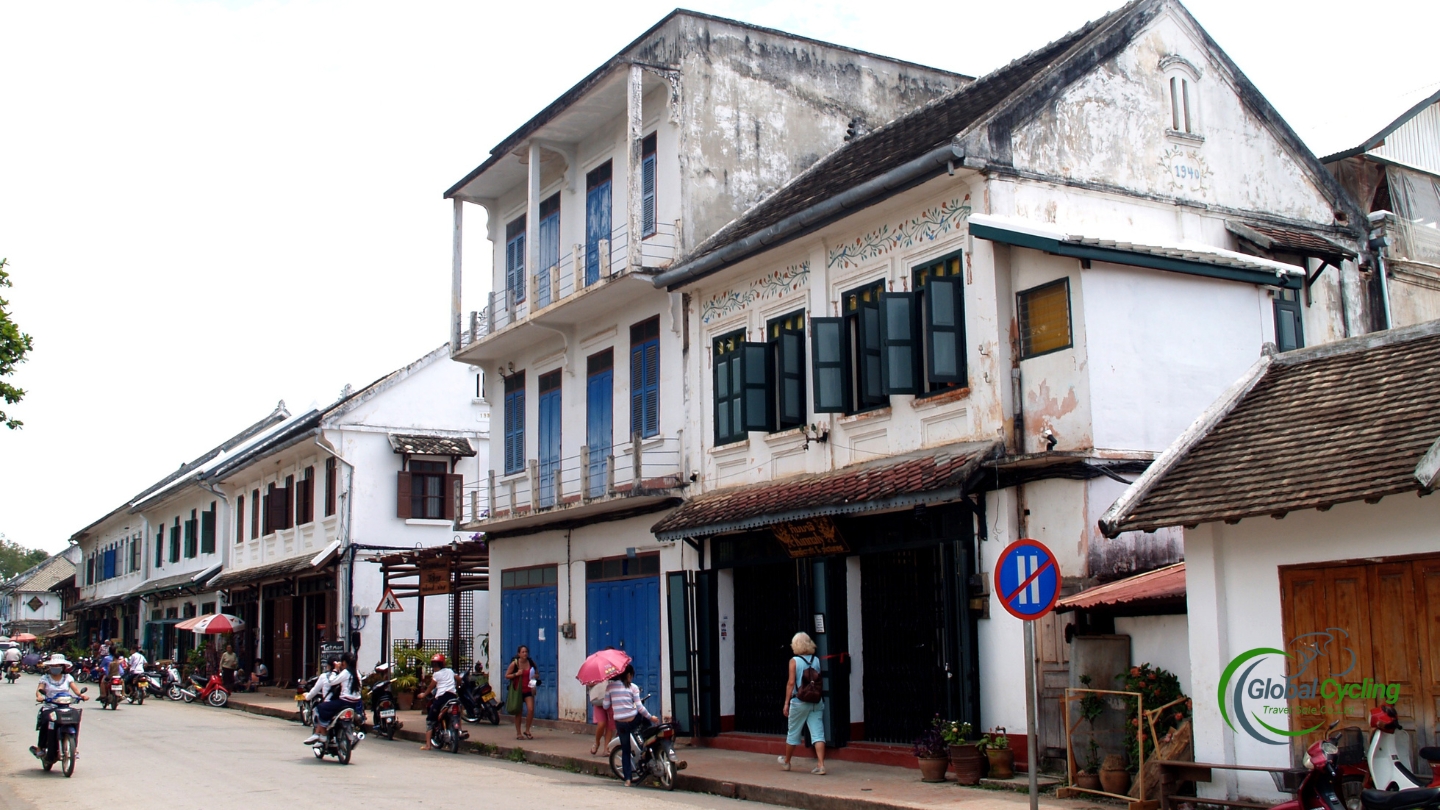
2. Mainstream or Off-the-Beaten-Track? Deciding Your Adventure Style
With your wish list in hand, the next critical decision involves the style of your Laos cycling adventure: do you want to hit all the most popular, well-known locations, or do you prefer to veer off the well-trodden path for more unique and unexpected experiences? This choice significantly impacts the type of tour operator and travel agency you should seek out.
Mainstream/Classic Routes: These tours typically cover the iconic destinations of Laos: Luang Prabang, Vang Vieng, Vientiane, and sometimes the Bolaven Plateau or the 4,000 Islands.
Pros: Well-established routes, good infrastructure (paved roads, readily available accommodation and services), often include famous landmarks and cultural sites, and can be easier to navigate for first-time visitors to Laos. Group tours on these routes are common and often more affordable.
Cons: Can be more crowded, especially during peak season. You might share cycling routes with other tourists, and some experiences might feel less “authentic” due to high tourist traffic.
Who it’s for: First-time visitors to Laos, those seeking a comfortable and well-organized experience, cyclists who prefer paved roads, and those who want to see the major highlights.
Off-the-Beaten-Track/Adventure Cycling: These tours explore lesser-known regions, remote villages, and challenging terrains, often utilizing dirt roads, single tracks, or less-traveled routes.
Pros: Offers unique cultural encounters with local communities, untouched natural beauty, a sense of discovery and adventure, and often more challenging and rewarding cycling. You’re likely to encounter fewer tourists.
Cons: Can involve more rugged terrain and potentially less comfortable accommodations. Logistics might be more complex, and support services might be limited. Such tours often require a higher level of cycling fitness and a willingness to embrace the unexpected.
Who it’s for: Experienced cyclists, adventure seekers, those looking for deep cultural immersion, and travelers who enjoy challenges and a sense of remoteness.

- Choosing Your Provider Based on Style:
Different Laos cycling tour operators and travel agencies specialize in specific types of travel.
Operators specializing in “classic” tours will have well-honed itineraries for popular routes, reliable logistics, and often work with larger group sizes. They might be more focused on efficiency and ensuring all major sights are covered.
Operators focusing on “adventure” or “off-the-beaten-track” tours often have expert local knowledge, employ guides experienced in challenging terrain, and might have smaller group sizes or offer more customized private tours. Their focus might be on authentic experiences, connecting with local communities, and navigating less-traveled paths.
Take the time to research a provider’s ethos, their past itineraries, and their stated mission. Does their approach align with the kind of cycling adventure you envision? For example, if you dream of rugged mountain biking through remote villages, a company primarily offering leisurely rides on paved roads might not be the best fit, even if they have excellent reviews.3. Select a Trustworthy Provider: Researching for Confidence
This is where many travelers experience the most anxiety. The internet is a vast and sometimes unregulated space, and the fear of scams, over-promising, or under-delivering by traveling Laos by Bike‘s companies is a legitimate concern. This worry can be even more pronounced when you’re booking from home, thousands of miles away, unable to physically visit the company you’re interested in working with. However, by investing a little bit of time and effort into thorough research, you will feel significantly more confident about making your booking.

- Pillars of Trust in Tour Operators:
Verifiable Authorization: It’s essential to verify that a company possesses and openly shares its official credentials and licenses for conducting tours in Laos. Legitimate tour operators will be officially registered with the relevant Laotian tourism authorities. While a company’s website might not always prominently feature these registration numbers, they should be readily available upon inquiry. A company that hesitates or refuses to provide proof of its licensing should be viewed with extreme caution.
Helpful Hint: Evidence of membership in recognized international or regional tourism associations can also serve as a strong indicator of a company’s credibility and adherence to industry standards.
Established Operational History: Consider how long the tour company has been actively in business. A lengthy operational history within the tourism sector is a powerful testament to a company’s dependability and expertise. If you can confirm that a business has been successfully running for a considerable number of years, it strongly implies a consistent record of delivering services, effectively overcoming obstacles, and having a solid foundation.